Tuesday, 6 March 2012

Ex-drug prosecutor who handled Las Vegas celebrity cases gets 9 months in jail in crack case


A former top Las Vegas drug prosecutor who handled the high-profile Paris Hilton and Bruno Mars cocaine possession plea deals was sentenced Monday to nine months in county jail in a felony crack possession case. Former Deputy District Attorney David Schubert apologized to the court for what he called “a tragedy,” and then stood silently as a state court judge berated him as “a disgrace to his oath as a prosecutor and a lawyer.” 0 Comments Weigh InCorrections? Personal Post (Las Vegas Metropolitan Police Department/Associated Press) - This undated police booking photo released by the Las Vegas Metropolitan Police Department showes former Deputy District Attorney David Schubert. Schubert a former top drug prosecutor who handled the Paris Hilton and Bruno Mars cocaine possession plea deals in Las Vegas has been sentenced to nine months in jail in his own felony cocaine possession case. Clark County District Judge Carolyn Ellsworth also said that the terms of a plea deal that could have gotten Schubert probation and a chance to clear his record were “offensive.” “I’m not going to give you the special treatment,” the judge said. Police arrested Schubert in March 2011 after they watched another man get out of Schubert’s car, go into an apartment complex and return. Officers found Schubert with a $40 rock of crack cocaine and confiscated an unregistered 9 mm handgun from his car. Schubert once handled Clark County’s highest-profile drug prosecutions as the district attorney office’s liaison to a federal drug task force. Hilton, 30, was arrested after police said 0.8 grams of cocaine fell out of her handbag following a Las Vegas Strip traffic stop in August 2010. The celebrity socialite received a year of probation on misdemeanor cocaine possession and obstruction charges. She successfully completed probation last fall. Mars, 26, was cleared in January of a felony cocaine possession charge after staying out of trouble for a year and meeting other conditions of a plea deal. The Grammy-winning pop star, whose real name is Peter Hernandez, acknowledged in court in February 2011 that he had 2.6 grams of cocaine after a performance at a Hard Rock Hotel & Casino nightclub. Schubert resigned from the prosecutor’s office after his arrest and underwent two months of inpatient substance abuse counseling. The 48-year-old has been undergoing outpatient alcohol and drug counseling since May, and has been practicing criminal defense law in some of the same courtrooms where he was a prosecutor for 10 years. Schubert pleaded guilty to a felony charge of unlawful possession of a controlled substance not for sale. The conviction could threaten his law career, depending on a review by the State Bar of Nevada and action by the state Supreme Court, bar official Phil Pattee said. The judge ordered Schubert to surrender March 12 to begin his jail sentence. Defense attorney William Terry said he may appeal the sentence or ask the judge to take the rare step of setting it aside.

Kathryn Fuller, who barely survived taking contaminated cocaine that killed her 'Amazing Race' producer boss, is likely to be arrested and prosecuted by police

Kathryn Fuller, who barely survived taking contaminated cocaine that killed her 'Amazing Race' producer boss, is likely to be arrested and prosecuted by police in Uganda when she is released from the hospital. 

Police spokesman Asuman Mugyenyi said Monday that Miss Fuller is being treated as a witness and suspect after she was found unconscious on the floor of her hotel February 18 alongside Jeff Rice, who died.

The announcement casts doubt on her ability to fully recover from paralysis that has left the right side of her body limp. Her father said she must return home to South African for medical treatment.

Kathryn Fuller

'Suspect and witness': Kathryn Fuller is subject to arrest in Uganda when she is released from the hospital, where she is recovering from taking contaminated cocaine

Poisoned or Overdose? Jeff Rice was found dead on his hotel balcony in Kampala, Uganda
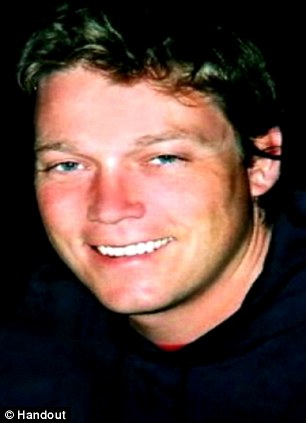
Katheryne Fuller, who was found unconscious in a Ugandan hotel next to the lifeless body of 'Amazing Race' producer Jeff Rice, is recovering in hospital

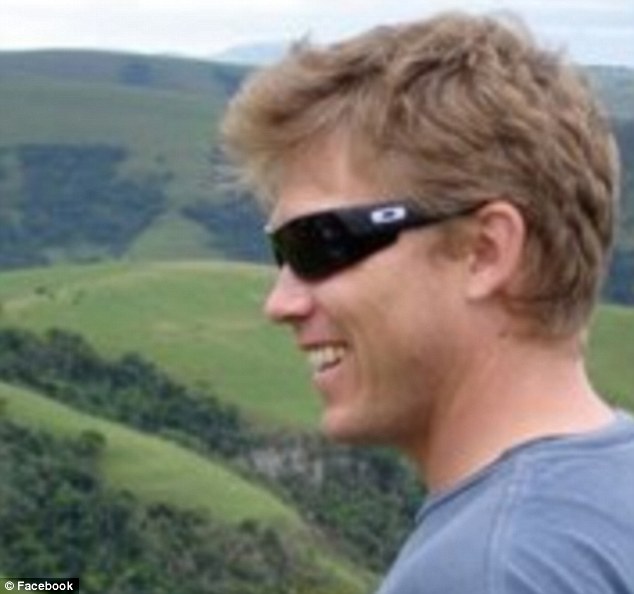
Bad drugs: Jeff Rice (left) has produced episodes of 'The Amazing Race' and other shows for American TV. He was working on a film in Uganda when he and Miss Fuller (right) took cocaine laced with fatal additives

'Ask people to pray that we come home,' Stuart Fuller, her father, told The Mercury newspaper.

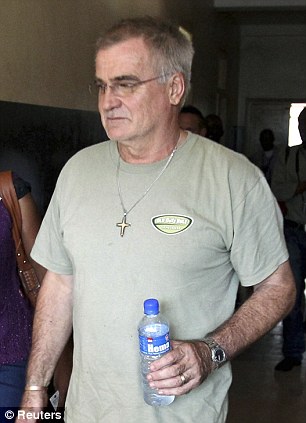
Mr Fuller has been staying in the Ugandan capital of Kampala since Miss Fuller was discovered ill. 

Mr Rice, American TV and film producer, was found dead bleeding from his mouth and nose after taking the cocaine in hotel room he and Miss Fuller were sharing.

The pair were in Uganda working on a film Mr Rice was producing. 


Miss Fuller is currently recovering at a clinic in Kampala, but her father said she needs medical facilities and expertise only available in South Africa. 

'She can regain the use of her right side, but needs to come to South Africa for treatment and to recuperate,' Mr Fuller said.

However, Miss Fuller must likely face charges of consuming cocaine in Uganda.  

The case has alerted officials there to the possibility that Uganda is becoming a 'consumption destination,' a spot for adventurers and addicts to take illegal drugs with little risk of police detection.

Father

Family man: Mr Rice is the father of two small daughter, aged 7 and 1. He and his wife worked out of Durban, South Africa

Mr Fuller said he was disappointed in his daughter for taking the drugs, but says she has already paid the price for her mistake. 

'I am cross, extremely cross. She’s an extremely bright woman who made a mistake,' he said.

'After this, she’ll have to prove herself. We’ve been through hell, but which father wouldn’t rush to support his daughter?'

Police arrested Moses Kalanzi, a 23-year-old 'special hire driver,' for supplying contaminated cocaine and heroin to Mr Rice. 

The driver is co-operating with police and could face charges for his role in the transaction, according to Ugandan newspaper the Daily Monitor.

Work: Rice helped producers on The Amazing Race, which follows teams as they travel around the world for a prize of $1 million. He worked on its latest season

Work: Rice helped producers on The Amazing Race, which follows teams as they travel around the world for a prize of $1 million. He worked on its latest season


'There was constant communication between the special hire driver and Rice on phone about the purchase of the drugs,' said a police spokesman. 'So we want to know the source of the drugs and how it is trafficked into the country.'

Father-of-two Mr Rice, 39, who worked on the series The Amazing Race, was discovered slumped over a table bleeding from his nose and mouth at the Serena hotel in the capital, Kampala. 


Family: Miss Fuller's father Stewart Fuller traveled Kampala in the hopes of taking his daughter back to south Africa for treatment

Family: Miss Fuller's father Stewart Fuller traveled Kampala in the hopes of taking his daughter back to south Africa for treatment

An official toxicology report confirmed the narcotic with a 'lethal additive' was in Mr Rice’s blood, dispelling initial suspicions he had been poisoned by attackers or that he had swallowed it to conceal the drugs from police.

Mugenyi, the Ugandan police spokesman, said: 'Rice… used cocaine which had lethal additives and that’s what killed him.'

Brad Nathanson, a private investigator and friend of Mr Rice, said he had been shown the toxicology report by police and there was no evidence of 'foul play' in Rice’s death.

He said: 'In fact it was as a result of buying bad drugs, cocaine to be specific … it was a bad concoction.' 

'I have read the toxicology report … it shows that there were small traces of cocaine in their blood and urine.' 

Mr Nathanson said he had traveled to Uganda as a favor to the Rice family following rumors he had been poisoned.

Miss Fuller was found unconscious at the same time Mr Rice’s body was discovered 

Mr Rice and Ms Fuller were believed to have voluntarily consumed the drugs, meaning she could be prosecuted under Uganda’s drug laws. Drug use can carry a jail term in Uganda.

As well as the Amazing Race, Mr Rice also worked on Animal Planet's Whale Wars and the South African version of The Biggest Loser.

He is survived by daughters, ages 2 and 7.


Customs officers nab six foreign drug mules


drug syndicates have resorted to old ways in their attempts to smuggle drugs into the country. This was discovered by Customs Department officers last month when they arrested five Nigerians and an Iranian who were found to have swallowed condoms filled with drugs. From the Iranian and two of the Nigerians, Customs officers retrieved 191 pellets containing syabu worth RM626,500. The authorities are still waiting for the other three men to excrete the drug pellets. The trio, who were nabbed on Tuesday, are being detained at Serdang Hospital until the drugs come out. The six were among eight people detained at the Kuala Lumpur International Airport last month for attempting to smuggle in RM3.45 million worth of drugs. This amount does not include the drugs which have yet to be excreted by the three Nigerians warded at Serdang Hospital. Of the six who had swallowed the drugs, the first was nabbed on Feb 16. Customs Department deputy director-general (enforcement) Datuk Zainul Abidin Taib said the 31-year-old Nigerian had flown in from Lagos, the former capital of Nigeria. He said the man was nabbed after Customs officers decided to conduct a body scan on the man as he was behaving suspiciously at the airport. "The scan showed there was something in his stomach and we took him to the hospital for further examination. "The items were later confirmed to be pellets containing drugs." He said 66 pellets containing syabu worth RM264,000 were removed from the drug mule through excretion. The second and third arrests were made on Feb 25 and 26 respectively. "We removed 50 pellets, also containing syabu, from a 32-year-old Nigerian who was detained on Feb 25 and 75 pellets from a 27-year-old Iranian the next day." He said the pellets were worth almost RM500,000, adding that this showed that syndicates had returned to their "old tricks" in order to smuggle in drugs. "From smuggling drugs by hiding it in various items and luggage they are now back to the old trick of stuffing the drugs in condoms and making carriers swallow the pellets to avoid detection." The arrests last month brings to 11 the number of drug mules detained at KLIA by Customs officers this year. All in, 44.4kg of various drugs worth RM8.3 million have been seized.

JFK Airport search of drug mule who said she was three months pregnant reveals she carried $20,000 worth of heroin -


A drug mule who said she was three months pregnant gave birth at Kennedy Airport — to a stash of heroin, authorities said. Afolake Awoyemi, a Nigerian national, attracted the attention of a U.S. Customs and Border Protection inspector as soon as she waddled off Air France flight No. 6 from Paris last Wednesday. Awoyemi, 42, wearing a “loose-fitting dress” was asked whether she was pregnant, and the woman replied that she was three months along, Homeland Security special agent John Moloney stated in a complaint filed in Brooklyn Federal Court. The customs inspector noted that Awoyemi appeared nervous, so she was selected for a pat-down search. After feeling a “bulge” in Awoyemi’s groin area, the situation escalated to a partial strip-search, according to the complaint. When she dropped her drawers, Awoyemi’s scheme fell apart. Pellets containing brown powder began dropping from her groin area — and the substance tested positive for heroin. Awoyemi was taken to a medical facility at the airport, where the federal cops administered a pregnancy test that came back negative. An X-ray showed more pellets in her intestinal tract, and by the end of the day she had passed about 25 pellets of heroin in a special commode that Customs officials have dubbed the “Drug Loo.” The high-tech toilet sanitizes the incriminating evidence. A Homeland Security spokesman said Friday that Awoyemi was still hospitalized. She was expected to be brought before a federal magistrate Monday. Typically, a drug swallower’s stomach may appear distended by the pellets or balloons filled with drugs. Four pellets lined end to end would measure about the size of a hot dog. Twenty-five pellets of heroin could have a street-value of about $20,000. Experienced drug mules have swallowed up to 200 pellets containing drugs, indicating Awoyemi may have been on a maiden voyage, the spokesman said.

Thursday, 23 February 2012

Indonesia moves foreigners out of riot-hit prison


Indonesia started moving foreign inmates, women and children out of an overcrowded prison on Bali island Thursday after two days of rioting, officials said, as troops backed by water canons and armored vehicles surrounded the tense facility. Schapelle Corby and several other Australians serving time for drug trafficking balked at the transfer because of the difficulty adjusting to a new place, said Bambang Krisbanu, a security official at the justice ministry. He said evacuations would be voluntary, but other officials later said the evacuations would apply to all those selected — about 60 foreigners, 120 women and 13 children. The violence that erupted late Tuesday at the Kerobokan jail — which houses more than 1,000 drug traffickers, sex offenders and other violent criminals — was triggered by the stabbing of an inmate during a brawl a week ago. The prisoners blamed lax security for allowing a knife into the prison. By Wednesday night, the inmates had chased away all 13 guards and seized full control of the compound, said Beny Arjanto, the local police chief. Some climbed to the top of the watch tower and started throwing rocks and a Molotov cocktail at more than 500 soldiers and police stationed outside. Others tried to break down the front gates. Troops responded by firing tear gas and shots in the air. Others stormed the facility, but they were forced back out 10 minutes later, said Arjanto. A few inmates have been injured, he said, but none of them seriously. The decision to relocate foreigners, women and children to another prison was made as it became clear Thursday that tensions were not going to ease anytime soon. "We want to evacuate them immediately for their own safety," said Col. Wing Handoko, a military spokesman. "We need to make sure they aren't used by other prisoners to get international attention or as bargaining chips for their demands. "We don't want them to be taken hostage." Though he would not say exactly where they would go, another police officer told The Associated Press they were heading for Klungkung, a jail about 40 miles (70 kilometers) away. He spoke on condition of anonymity because he was not allowed to speak to the media. The Kerobokan prison about 20 minutes from Bali's international airport was built for around 300 prisoners but houses more than three times that. Of the 60 or so foreigners, 12 are Australians and one is American, said Anang Khuzairi, a prison official. The most famous is Corby, a former beauty school student serving a 20-year sentence for smuggling 9 pounds (4.2 kilograms) of marijuana into Bali. Her case garnered intense interest in Australia, where many people believe she was innocent. Krisbanu said she and the other Australian inmates insisted they did not want to be moved. However, minister justice Amir Syamsuddin who is in Bali overseeing the operation, has requested evacuation of all foreigners, women and children, Handoko said. He added that so far 31 inmates, 14 of them foreigners have been moved by Thursday evening. "Most of the foreigners rejected, but we forced them due to the minister's request," Handoko said. No further information was available on the 13 inmates who are younger than 18.

Labour MP Eric Joyce suspended after 'head-butting' Tory Stuart Andrew in House of Commons bar


The 51-year-old remains MP for Falkirk but cannot take the Labour whip in the Commons until the conclusion of the police investigation. 'This is an extremely serious incident,' a Labour party spokesperson said. 'We have suspended Eric Joyce pending the results of the police investigation.' Mr Joyce is said to have been arrested after the incident involving Tory MP Stuart Andrew at the Strangers bar, which is reserved for MPs and their guests, in the House of Commons before 11pm yesterday. 'We were called at approximately 10.50pm last night to reports of a disturbance at a bar within the House of Commons,' a statement from the Metropolitan police said. 'A man aged in his 50s was arrested by officers on suspicion of assault. He remains in custody in a central London police station. Inquiries are continuing.' Reports said Mr Andrew, the 40-year-old Tory MP for Pudsey, intended to press charges against Mr Joyce over the incident. An eyewitness who did not wish to be named told the website PoliticsHome that Mr Joyce 'just started lashing out at people' after complaining the bar was 'full of Tories'. Speaking in the Commons after news of Mr Joyce's arrest, Speaker John Bercow said: 'Members will be aware of reports of a serious incident in the House last night. I have been informed by the Serjeant at Arms that the honourable member for Falkirk has been detained in police custody. 'The matter is being investigated. I take this matter very seriously, as do the House authorities. I would ask that no further reference should be made to these reports in the chamber today.' Mr Joyce, MP for Falkirk since December 2000, served in the Army Education Corps before pursuing a career in politics. In 2009 he quit as parliamentary private secretary to defence secretary Bob Ainsworth due to concerns of the war in Afghanistan. A year later he resigned as shadow secretary of state for Northern Ireland for pleading guilty to failing to provide a breath test. Labour MP Paul Farrelly was involved in a brawl in an unrelated incident at another Commons bar in 2010. The MP for Newcastle-under-Lyme 'wrested' a man to the floor in 'self-defence after an altercation at a karaoke party in parliament's Sports and Social Club.

Foreign and female inmates to be evacuated from Bali's Kerobokan prison


FOREIGN inmates including the 12 Australians held at Bali's notorious Kerobokan jail are set to be moved later today amid fears they could be targeted in ongoing unrest at the prison. Prison guards and police have again been forced to retreat to the streets outside the jail following a second night of unrest in the wake of a rampage by inmates on Tuesday night during which sections of the jail were destroyed by fire. About 400 armed police and soldiers remain stationed outside the jail amid a tense stand-off with prisoners. Indonesian Justice and Human Rights Minister Amir Syamsuddin has also been dispatched from Jakarta and is expected to visit the jail later today. The ongoing tension has prompted authorities to prepare for a mass evacuation of the jail, which has been without electricity since the riot broke out at about 11pm local time (2am AEDT) on Tuesday.  Riots continue in Kerobokan prison Buses have been moved to Kerobokan to prepare for the evacuation, which could take place at about 1pm. It's understood that the 60 foreign prisoners will be taken to a detention facility at Klungkung, a drive of about two hours from Kerobokan. Kerobokan governor Bowo Nariwono has confirmed the plan but said details were still being worked out. ''There's a plan to make them safe,'' Mr Nariwono said. The overcrowded jail houses more than 1000 male and female inmates, including the Gold Coast's Schapelle Corby and members of the so-called Bali Nine drug trafficking group. One of the Australian prisoners, Graeme Michael Pollock, was due to be sentenced today in relation to drugs charges. His hearing has now been postponed. The evacuation plan emerged as authorities voiced concerns for the safety of the foreigners inside the jail after a second night of unrest. Provincial military command spokesman Wing Handoko told AFP that authorities were still working out the details of the evacuation. ''We don't want to take chances, just in case the foreigners become a target of the prisoners' anger,'' he said. Authorities were forced out of the prison again last night after having initially wrested control of the jail back from prisoners earlier in the day. ''The prisoners took over the prison again, which forced security personnel to fire warning shots into the air,'' Mr Handoko said. Prisoners responded to the warning shots by throwing flaming missiles onto the street outside the jail. It is understood that they have demanded that the three prisoners shot in the leg with rubber bullets and removed from the jail yesterday be returned. The prison has been sealed off with about 400 armed police and soldiers, equipped with water cannons, stationed outside. Prisoners began rioting on Tuesday night after days of simmering tensions following the stabbing on Sunday of one prisoner by three inmates from a rival drug gang. Police were called in at about 4pm on Sunday to quell a mob of prisoners that had attacked those believed to be responsible for the stabbing.

Confusion surrounds Australian prisoners held in Bali riot jail


Confusion surrounds Australian prisoners held in Bali riot jail Scott Rush, is escorted by two policemen after being moved out from Kerobokan prison in Denpasar.  BALI nine drug mule Scott Rush was evacuated from the fire-damaged Kerobokan prison late yesterday after a day of confusion and posturing. Prison authorities in Bali backed down from a threat to forcibly move 1015 prisoners from the jail in urban Denpasar, and by late last night had moved a small fraction of that. The fate of the other 11 Australians housed in the prison is unknown, as police were gearing up to move more people out. Last night, drug smugglers Schapelle Corby and the rest of the Bali nine were still inside.

Tuesday, 21 February 2012

Federal agents bust heroin operation at Stillwell Ave. auto shop in the Bronx, arrest 2, seize drugs and gun


Federal narcotics agents busted a heroin operation at a Bronx auto shop this month, severing a million dollar supply chain that stretched to Long Island, court records indicate. They raided Mobile Creations, a luxury car customizing shop, on Feb. 7 after nabbing a Suffolk County drug dealer attempting to sell 68 grams of heroin. The dealer ratted out his supplier, who gave up his source at Mobile, at 1631 Stillwell Ave. near Pelham Parkway in Morris Park, according to a complaint filed in Brooklyn Federal Court. The drug task force officers had the supplier set up a meet with James Gainer, who allegedly operated out of the Bronx shop, and arrested the suspect with 500 grams of heroin he planned to sell for $28,500, according to the complaint. They also snatched Mobile Creations manager Robert Bishun after finding 1.5 kilograms of cocaine and 250 grams of heroin hidden in a vehicle at the shop, and $40,000 in cash concealed in a Mercedes-Benz sedan registered to Bishun. The officers seized a .40 caliber handgun, loose ammunition and $30,000 cash from the shop’s office, along with pay-and-owe sheets detailing millions of dollars in narcotics transactions. The complaint charges both men with drug dealing and possession and Bishun with possessing a firearm linked to trafficking. Four drug grinders and a scale were also found in the shop, according to the complaint. The Suffolk County supplier told the agents he met Gainer at Mobile Creations to buy at least 100 grams of heroin a week. Repair shops and auto parts stores line Stillwell Ave., a quiet street that abuts Metro-North Railroad tracks. The facade of Mobile Creations sports colorful signs featuring Bentleys, Range Rovers and other luxury cars. "I just work here 10-6," said Mike James, a mechanic at Mobile Creations, on Monday. "This is a legit shop." "The shop has been around for over 10 years and they do high-end customization of cars," said Javier Solano, Bishun’s lawyer. "They do Lamborghini-style doors. They do $25,000 rims, $30,000 audio systems." Bishun and Gainer are being held without bail and have not been indicted yet, said Solano. Gainer’s lawyer, Lawrence DiGiansante, declined to comment.

Monday, 20 February 2012

one associate testified that he personally oversaw the distribution of up to 160 kilos of cocaine per month.

Massive amounts of cocaine sat in the courtroom Thursday as testimony continued in the Craig Petties drug organization trial.

The Petties drug organization is considered the most notorious in Memphis history. Thursday's testimony shed light onto how much cocaine funneled into Memphis and how violent the gang could be, even to its own associates.

During another day in the trial of Petties' alleged hitmen, cousins Martin and Clinton Lewis, one associate testified that he personally oversaw the distribution of up to 160 kilos of cocaine per month. He said he earned some $300,000 every single month.

Boxes filled with bags of cocaine sat in the courtroom during much of Thursday's testimony, just feet from members of the jury.

Jury members heard from Billy Ray Myles, another known Petties gang associate who said Clinton Lewis chased him down and shot him after he stole drugs from the group.

The cousins are also accused of killing others for much less, prosecutors said.

The trial continues Friday morning at 9:30. There is no information on when Petties himself might testify.

Martin and Clinton Lewis have pleaded not guilty to committing murder for the organization.

Wednesday, 8 February 2012

suspected member of the Zetas drug gang has led Mexican authorities to a mass grave site at two ranches in the Gulf coast state of Veracruz

A suspected member of the Zetas drug gang has led Mexican authorities to a mass grave site at two ranches in the Gulf coast state of Veracruz, the navy said Wednesday.
The navy says its personal detained suspect Francisco Alvarado Martagon Tuesday as he attempted to drive past a military checkpoint near the city of Acayucan in a vehicle without license plates.
Once in custody, Alvarado Martagon confessed to being a head lookout for the Zetas, it said.
Under questioning, the man mentioned two sites at local ranches that the Zetas allegedly used to dispose of bodies, including rivals or members of their own gang who had been executed.
The navy said it inspected the sites and found the buried, badly decomposed remains of 10 people on Tuesday and continued searching.
Veracruz has been the scene of bloody battles between the Zetas and the Sinaloa drug cartel.
Mexican authorities have found hundreds of bodies dumped by drug gangs in mass graves in recent years, mainly in the states of Durango and Tamaulipas.

Transitioning back to work after addiction treatment is a challenging and daunting process.

You may feel like a completely different person. You may wonder how your co-workers will respond to you. You may feel isolated and alone.

However, returning to work is one of the most important steps you can take in your recovery. A job will focus your energy and attention on productive uses, lessening your risk of relapse. Work will also introduce you to more people, who may become instrumental in providing you with the support and friendship you need.

Follow these tips as you transition back to the workplace to ensure the greatest level of success.

1) Go to your meetings
Your recovery meetings will provide you with guidance and support. This is the place where you can discuss the challenges and successes you have as you transition back to a work environment.

2) Build a strong recovery support network
Having a network of people who supported you throughout your recovery efforts was probably a strong factor in your success. Maintaining such a network will be equally important as you re-enter the workforce. Without a strong support network, you are less likely to be able to handle the stress of re-entering the workforce or job-hunting, and you are more likely to suffer a relapse. Your network may include: friends, family, co-workers and addiction support groups. This network can help bolster your confidence when it falters.

3) Live in a halfway house when circumstances necessitate
Living in a halfway house during challenging times will help keep you away from temptation. You’ll be surrounded by people who understand your struggles, and you will be reminded of the work you’ve already put into your recovery.

4) Strictly follow the aftercare plan
Think of your aftercare plan as a road map to keep you on the road to recovery. If you start to slip, go back to your aftercare plan and use it to get back on track. An aftercare plan will consist of a series of actions for you to take that will help keep you sober. Your aftercare plan will be tailored to you during the end of your treatment. It may include:

Attending your recovery group meetings
Speaking with your sponsor a set number of times per week
Attending aftercare programs at your treatment facility
Reaching out to recovery peers to offer moral support
Taking good care of yourself and making sure you are eating and sleeping properly and making time for exercise and meditation
Reading your aftercare plan regularly
5) Take Advantage of Employee Assistance Programs
Employee Assistance Programs (EAPs) typically provide services that help employees deal with personal problems that might affect their job performance. If you have an EAP available to you, research it and see if there are services that you could use. It’s very likely that counseling services are available, which can help you work through your addiction challenges.

6) Develop a balance between meetings and work
A recovering addict who has returned to the workforce has to divide his or her time between work and support meetings. It is important that you don’t overextend yourself at work, especially if it results in skipping your support meetings. Although you may be eager to get back into the full swing of things at work, overdoing it will make you stretch yourself too thin, resulting in increased stress levels and increased chances of a relapse.

7) Avoid job related drinking events
This is a simple and effective way to maintain your sobriety. At “happy hour” after work, work-related holiday parties and business dinner meetings, you may feel pressure to consume alcohol. Establish an open and honest dialogue with your supervisor about your addiction recovery.

Make sobriety the priority
Staying sober is a lifelong commitment. It takes hard work and resolve, but the payoff is enormous. Just as we prioritize things like family and hobbies, prioritizing sobriety will help reinforce its importance to you.

9) Maintain a strong relapse prevention plan
A relapse does not happen overnight. It slowly builds over time until you find yourself seeking the physical outlet of your addiction. You can prevent a relapse by having a strong relapse prevention plan. Components of a strong relapse prevention program include:

Remaining stable: Stay sober so you can think clearly and remain in control of yourself. It is recommended that you not create the plan until you have been sober for several days to allow for appropriate introspection.
Identifying your triggers: What causes you to use? Identify these triggers and then make changes in your life to stop exposing yourself to them or to avoid them.
Checking in with yourself: Take some time every day to touch base with yourself. How are you feeling? What are you thinking about? If using crops up in your mind, the best thing you can do is talk to someone about it.
Learning to recognize warning signs of relapse: Watch out for mood changes, changes in sleeping and eating, and thoughts of using.
Treating yourself well: Develop a list of things you enjoy doing, so you can do those when the thought of using creeps into your mind.
Creating a meditation plan: This will serve as a daily reminder of why you are quitting and committed to a sober lifestyle.
Identification of your support network: If you do notice warning signs, get in contact with your support network immediately.
10) Avoid people, places and things associated with using and drinking
Removing yourself from temptation is the single best way to ensure long-term sobriety success. If it’s not there, you can’t have it. Don’t fall back into your old habits. You are a new person, and you deserve a new life. Try new things. Develop new hobbies. Identify rewarding activities that you can do instead of using. Establish trustworthy and supportive friendships.

Going back to work after addiction treatment will take more of the same hard work you have already put toward your recovery. When times get tough, try to remember you are not the only person going through this. Millions of people around the world are in the same situation as you, and millions have succeeded.

Further Resources:
Learn more about utilizing the Family Medical Leave Act for addiction recovery.

About the Author:
Alan Goodstat, LCSW, Licensed Clinical Social Worker, received his Masters in Social Work at Columbia University in New York City. He’s now a Director of Performance Improvement for a Behavioral Hospital System and contributes to the addiction recovery site RecoveryConnection.org. He wrote a chapter on substance abuse in the book Put Yourself in Their Shoes: Understanding Teenagers With Attention Deficit Hyperactivity Disorder.

Addictions UK is proud to have a higher success rate than many other addiction treatment programmes.

Addictions UK is proud to have a higher success rate than many other addiction treatment programmes.

Visit www.AddictionsUK.com for more information.


—-

Hello, my name is Simon Stephens, I’m Director of Casework for Addictions UK.

We’re often asked, What’s our success rate? We like to reply that over 70% of our clients can and do get well. That’s not to write off the other 30%, perhaps they may take longer in their recovery.

The way that you can ensure that you fall into the recovery group is to bring your hope and enthusiasm to the programme.

One of the reasons that our recovery rate is so much higher than many other programmes you may have encountered, is we work hard to match our client’s needs with the recovery programme offered.

If you use Addictions UK, we’ll work exceptionally hard at finding a programme that matches your needs.

We work on a one-to-one basis – whatever we work with, however we work with you, we especially work towards your recovery.

Most people have heard the words “monkey on my back” used as a term for defining addiction.

Most people have heard the words “monkey on my back” used as a term for defining addiction. Personally, I find the word “addiction” too soft a word to describe the monster every addict or alcoholic battles in daily life. It’s too clinical, too sterile, and just doesn’t pack the same punch as the monkey analogy.

As a hardcore alcoholic for more than half my life, I learned a few things about the monkey. First, he never knows when to keep his mouth shut. It’s not that he’s loud. In fact, it’s quite the opposite. The monkey prefers to whisper, at least during the early stages of addiction. Day in, day out, he whispers in the addict’s ear, reminding the addict that it’s time to party. He whispers because he doesn’t want others to hear him. “They don’t understand you the way I do”, he whispers. “I’m your only true friend. It’s you and me, brother. Besides, it’s nobody’s business but our own.”

The monkey is also persistent. He never, ever leaves the addict’s side. He’s always there to remind the addict that one drink or one puff never hurt anyone. Sure, he makes himself a little scarce when trouble arrives, but he’s always watching from behind the scenes while the addict works things out. The monkey never leaves for long because he can’t survive without the addict, although he never confesses the truth. Instead, he turns the tables, convincing his victim that he or she cannot live without him. The monkey is a cunning little devil.

For many years, I believed every word the monkey ever spoke. We’d been through good and bad times together, shared countless late night conversations, and he’d always understood me when no one else did. Or, so I thought. It wasn’t until I tried to part ways with the monkey that things started to get ugly. He didn’t like the idea. I tried to explain that my life was falling apart and something had to change. He just smiled and assured me everything would be okay, as long as we had each other. I protested, reminding him that things were far from okay. My exhaustion and losing my will to live were killing me, just as they had done to my sister, a favorite uncle, and two best friends. I let the monkey know he was getting pretty tiresome, too, and confided my plans to end our friendship.

But the monkey is also relentless. When I told the monkey about my plans to quit drinking, he became silent. Well, at least until I stopped drinking for a few days. Then he wrapped both legs around my back, tightened his grip around my neck, and started screaming in my ear. He had no intention of leaving. He’d grown larger and more powerful over the years and there was no shaking him off, no matter how hard I tried. The more I fought, the tighter he held on. I was beginning to hate the monkey. Worse, he scared me to death. I spent the next three months trying to shake him off before entering rehab. The monkey decided to go with me and the battle of my life would soon begin.

The monkey is just a mental image, of course. The term is simply used to paint a picture of addiction, as seen through the addict’s eyes. But the energy that drives every addict to abuse alcohol or drugs, even after they want to quit, is both very real and extremely powerful.

===================
Dan Farish is a former alcoholic. Today, he works as an Addiction Recovery Coach helping others to overcome addiction. Dan is also the author of Three Steps to Recovery – One Man’s Triumph Over Alcohol and Drugs – A Simple Approach Anyone Can Use to Overcome Any Addiction.
===================
Read free book chapters at www.3stepstorecovery.com
To learn more about addiction recovery coaching, please visit www.3stepstorecovery.net

Sunday, 22 January 2012

Mexican Cartels Moving Drugs in Armored Vehicles


Mexican drug cartels are using improvised armored vehicles known as "monsters" to protect their narcotics shipments from rival gangs, a military officer who spoke on condition of anonymity told Efe. The officer is assigned to the 8th Military Zone based in the northeastern border state of Tamaulipas, where troops have seized around 110 armored cars, including more than 20 monsters that evoke scenes from the 1979 film "Mad Max." Most are heavy trucks that were equipped with armor at clandestine workshops, mostly located in Tamaulipas. Some of the vehicles can carry 12 gunmen, the officer said. Soldiers dismantled one workshop in the Tamaulipas town of Camargo in a June 2011 operation, seizing two armored vehicles and nearly three-dozen more - including 23 tractor-trailers and other heavy trucks - that had not yet been plated. One monster seized last year weighed more than 30 tons because it was covered in thick steel plates and further reinforced with railroad tracks. The officer said troops also confiscated a cargo van dubbed the "pope-mobile" that had an elevated cabin similar to the "room" in the Roman Catholic pontiff's vehicle, although the Mexican van was secured with metal plating instead of bullet-proof glass. "The vehicles are built with steel plates at least an inch thick. Small-caliber projectiles, such as bullets from assault rifles, have a hard time penetrating the armor. They can only be destroyed with heavy weapons or anti-tank shells," the officer added. "They don't circulate on roads or in the cities, but instead operate on byways, which are the routes used to take drugs to the border with the United States," the source said. The brutal turf war being waged in Tamaulipas between the Gulf and Los Zetas gangs - former allies turned arch-enemies - has forced both organizations to develop these armored vehicles to run their businesses. The officer noted that the state has vast semi-arid plains with hundreds of small side roads and byways where the traffickers transport their drugs in light vehicles escorted by the monsters. A ranch where suspected Zetas hit men killed 72 undocumented migrants in August 2010 - apparently after they had refused to work for the gang as enforcers or couriers - was located on one of these unpaved side roads in Tamaulipas. "The cartels are fighting to control and protect these routes both for drug- and people-trafficking and in the opposite direction for the smuggling of weapons to Mexico, as well as to bring in a large quantity of merchandise illegally," the source said.

Alleged cartel hit man goes on trial in Texas


A man accused of being a hit man for a Mexican cartel went to trial Wednesday on federal racketeering, drug conspiracy and weapons charges, one of nearly three dozen defendants indicted in connection with an alleged drug-trafficking conspiracy on the Texas border. Prosecutors say that over several months, starting in 2005, teams of gunmen moved between Laredo, Texas, and Nuevo Laredo, Mexico, with a list of targets. Top commanders for the Zetas, the muscle of the Gulf cartel, ordered hits that left at least seven people dead, according to testimony and documents filed as part of the trial that began Wednesday. Gerardo Castillo Chavez, also known as "Cachetes," or Cheeks, is the first of 34 defendants named in the 51-page indictment to go on trial. Prosecutors allege he was part of a larger drug-trafficking conspiracy run by the Gulf cartel and the Zetas. It is prosecutors' second try at Castillo: A judge declared a mistrial in 2010 after the jury deadlocked on several counts. A new witness, arrested since the first trial, opened a rare window Wednesday into a period of growth for the Zetas Wenceslao Tovar Jr. started as a low-level courier ferrying drug loads across the border, but in a matter of months he and a partner performed their first hit on a Zeta enemy, a man whose name he never learned. "They (the Zetas) needed for me and for other people to kill people in Laredo," Tovar testified through an interpreter. "We were going to get $10,000 for every person we killed." The Zetas' unrelenting violence against their employers' enemies foreshadowed the fear-inducing public violence that has helped the Zetas become one of Mexico's most powerful criminal organizations. Court records show that the conspiracy's primary objective was moving cocaine and marijuana from Mexico into Laredo and on to Dallas. Between 2001 and 2008, the organization, known collectively as "La Compania," or the company, moved hundreds of drug loads into the United States. Cash proceeds from drug sales and guns followed the route back to Mexico. The cartel employed a network of safe houses for its drug loads and gunmen on both sides of the border. To protect its lucrative territory from the Sinaloa cartel, the Zetas employed scores of gunmen, even juvenile assassins, to eliminate rivals. In addition to the seven identified victims, Assistant U.S. Attorney Jose Angel Moreno said there were several others who were targeted, but not killed. Tovar's Zeta bosses threw in 100 kilograms of marijuana and an ounce of cocaine to sweeten the deal on his first contract killing. After the hit, he and his partner fled to Nuevo Laredo and were taken to meet Miguel Angel Trevino Morales, also known as "40," a former Mexican special forces soldier and then the Zetas' boss in the key border city. Many of the Zetas's founding members were recruited from Mexican special forces. "(Trevino) was executing three people," when they arrived, he said. "He was cutting their heads off." Trevino gave Tovar and his partner the name of the next man they were to kill- a Nuevo Laredo police officer who had switched allegiances from Zetas to Sinaloa, he said. Tovar testified that Castillo was serving under another Zeta commander, but was staying six bunks away from him in a barn at the ranch the Zetas used for training. San Fernando is where Mexican authorities have found 193 bodies on a ranch in 26 mass graves. Officials say most of those were migrants heading to the United States who were kidnapped off buses and killed by the Zetas. Tovar testified that at that camp and another where he first trained outside the state capital Ciudad Victoria, new recruits were taught to kill Zeta prisoners with machetes and sledgehammers. "Forty (Miguel Angel Trevino) used to say so they would lose their fear," Tovar said. He said he trained with 100 Zeta recruits at the first camp and 300 in San Fernando. Tovar said he remembered Castillo because he was talkative and was the only one wearing gloves because of the cold. Castillo's attorney Roberto Balli has maintained that Castillo is not the "Cachetes" or Zetas member that prosecutors say he is. Castillo was arrested in 2009 in Houston. Balli argued in the first trial that the government lacked any physical evidence to tie Castillo to the crimes and instead relied on convicted assassins. On Wednesday, Balli said federal agents were looking for a man named Armando Garcia, the name in the original indictment, when they arrested Castillo in Houston. In April 2006, Tovar was in Nuevo Laredo on vacation when he flipped his truck and was left paralyzed from the waist down. The Zetas paid to fly Tovar to Cuba for surgery under a false identity and continued to pay him a salary even though he couldn't work until they split with the Gulf cartel in 2010. Mexican authorities arrested Tovar in Nuevo Laredo in July 2011. Two weeks ago Tovar pleaded guilty to a federal firearms charge in the killing of Juarez-Orozco. Other federal charges were dismissed in exchange for his cooperation. He also has pending state charges. Oscar Vela, another attorney for Castillo, challenged Tovar on not knowing Castillo's name and not admitting to knowing him when Laredo Police first interviewed him last year. Vela suggested Tovar would say anything to try to get his sentence lightened. Tovar did not disagree, but said "I'm cooperating because I did wrong." Testimony was scheduled to continue Thursday, and the trial is expected to last more than a week.

Wednesday, 18 January 2012

Movie fans must boycott Paul Ferris film..


SENIOR policeman has urged film fans to shun a new drama about Scottish gangster Paul Ferris. Detective Chief Superintendent John Carnochan spoke out after a promotional trailer for the film was leaked online. And he said he believed few people in Scotland would have any sympathy for the production, made by a London-based company and shot down south. The sympathetic trailer shows Ferris, known as “the enforcer”, as a victim who was bullied as a child and whose road into vicious career criminality came as a reaction against the “monsters” of his youth. It also contains scenes similar to the 1980s classic childhood friendship film Stand By Me. One shows Ferris as a young boy sitting around a fire with his childhood pals saying: “When we’re old, we’ll always be together. “We’ll live in huge castles and be kings. We’ll fight monsters and demons.” DCS Carnochan, head of Strathclyde Police’s Violence Reduction Unit, said last night it was wrong that people should seek to profit from Ferris’s criminal career. He added: “There comes a point in our understanding of the importance of the effect of early years has on later life when you’re beyond the point of saying, ‘You’re worthy of our empathy.’ “I’ve seen nothing of the film, so it’s hard to comment completely, but I understand why people will have a problem with this. “I don’t think that anyone should profit from criminality. Whoever they are and at whatever stage, I think it’s wholly inappropriate.” The film stars Greenock-born Sweet Sixteen actor Martin Compston in the lead role, with support from Hollywood Scots John Hannah and Denis Lawson. Hannah plays Ferris’s former enemy Tam “The Licensee” McGraw, while Lawson plays his father. Opening scenes see the young child Ferris climbing walls around his home in Blackhill in Glasgow’s east end, walking his dog and making “forever friends” pacts. Compston then emerges as the snarling adult Ferris, hell-bent on retribution against his childhood oppressors, growling: “Every single day of my life those b******s have bullied me. They sucked the life out of me. No f*****g more.” The scenes are played out against a sentimental score of plaintive folk guitar. No one from producers Carnaby Films was available last night.

highranking member of the United Nation gang who had direct contact with Mexican cartels,


British Columbia man executed in Mexico this week was a highranking member of the United Nation gang who had direct contact with Mexican cartels, the Vancouver Sun has learned. Salih Abdulaziz Sahbaz, 36, had spent much of the last three years in Mexico and was the key cartel contact for the notorious B.C. gang, police sources confirmed. But he also returned regularly to Surrey, B.C., where he had family ties. Sahbaz was shot nine times with a .45-calibre handgun early Monday and was found at an intersection in Culiacan, capital city of the Mexican state of Sinaloa. Sahbaz had taken over the Mexican end of business after two other UN gang members, Ahmet (Lou) Kaawach and Elliott (Taco) Castenada, were gunned down in Guadalajara in July 2008. He is believed to have owed money to at least one cartel after losing a shipment of cocaine and was working off his debt.

Whistle-blower links Serbian drug lords, SA gangs


The head of a Balkan cocaine and crime syndicate is hiding out in South Africa under the protection of local gang bosses, underworld sources reveal. Fugitive Darko Savic – one of the world’s most wanted drug smugglers – is living under a different alias here, right under the noses of the authorities. And local crime bosses are helping him avoid detection by using their network of corrupt cop contacts. The revelation comes after the Daily Voice last week revealed how Serbian hitman Dobrosav Gavric lived in the Mother City for three years under the protection of slain crime boss Cyril Beeka. Beeka’s murder lifted the lid on the shadowy links between international crime syndicates and local mobsters. Today in an exclusive interview with the Daily Voice, a veteran former gangster turned whistle-blower confirms long-suspected links between SA crime gangs and Serbian drug lords. And he provides a chilling insight into a series of high-profile murders – including Beeka’s killing in March last year. In an interview with the Daily Voice, the terrified ex-dik ding reveals how: n He is now on the run and fears for his life after his mob bosses turned against him; n Someone “very near” to Cyril Beeka would have murdered him if the other attempt on his life failed; n Hitmen use their cop contacts to confirm the identities of targets before having them whacked; n International fugitive Darko Savic is hiding out in Gauteng with the help of local crime bosses. Savic has been linked to Czech criminal Radovan Krejcir, 42, a convicted fraudster who is also being investigated for Beeka’s murder. Krejcir was friends with both Beeka and Gavric, but it is understood he fell out with Beeka over a business deal. When the Hawks raided Krejcir’s Gauteng home after Beeka’s assassination in March last year, they found a “hit list” with Beeka’s name on it. At one stage Gavric – who was seriously injured in the shooting – was rumoured to also be a suspect in the hit. But in a sworn affidavit obtained by the Daily Voice, Gavric insists he was close friends with Beeka and that he is prepared to act as a future witness for the State. The hitman is wanted in Serbia where he was convicted for the murders of notorious warlord Zeljko “Arkan” Raznatovic and two others. Gavric will on Monday find out if his bail application is successful when he appears before Cape Town Magistrates’ Court. In an interview with the Daily Voice from his hideaway in George, Eastern Cape, the whistle-blower who identifies himself only as “Uncle Sam”, says Gavric is not the only wanted Serbian using this country to escape justice. “Serbian drug lord Darko Savic is hiding in Gauteng and protected by [local] underworld bosses,” he says. Uncle Sam, 65, also gave a detailed insider’s account of Beeka’s execution: “If the assassination had failed to eliminate Beeka, then someone else very near to him would have carried out the murder on that very same day.” He was also able to provide exact details about the cold-blooded murder of Yuri “The Russian” Ulianitski who was gunned down outside a restaurant in May 2007. “A half-hour before Yuri left the restaurant, a prominent businessman linked to the mob called the hitmen and told them that Yuri will be approaching the intersection of Otto du Plessis Drive and Loxton Road just before 10.30pm,” Uncle Sam says. Ulianitski was indirectly linked with Jerome Booysen, the alleged leader of the Sexy Boys who was last week named in court as a suspect in Beeka’s murder. “The Russian” had dealings with Beeka, but they too later had a fall-out – both were killed in similar shootings. Uncle Sam is himself currently on the run after he fell foul of his mob bosses who were indirectly linked to the Beeka killing and the Serbian fugitives hiding out here. He also counts convicted drug trafficker Glenn Agliotti as a contact. During our interview, he gave our reporter a phone number which he said was that of Agliotti. When we rang the number, a male voice confirmed he was Agliotti before asking to be handed back to Uncle Sam. The whistle-blower admits he ran a car fraud scheme that turned sour when the syndicate chiefs failed to pay his R790 000 fee for buying 30 luxury cars in his name. But he has kept a detailed diary of his criminal activities and those of his former mob colleagues. And he has threatened to use the 116-page hand-written diary to put them behind bars if they come after him. “I’ve got nothing to lose,” he says. “I need to warn the public that the mafia is running the country with the help of cops and top politicians and that they have ruthless killers who will take out anyone who threatens them.”

Tuesday, 17 January 2012

Pasquale Mazzarella and Clemente Amodio arrested in Marbella


TWO Italians belonging to the Mazzarella mafia family were arrested in Malaga for their alleged involvement in drug trafficking activities, according to Press reports. Pasquale Mazzarella, who had been on the run from the authorities for the past three years, and Clemente Amodio, wanted since last Spring, had European arrest warrants against them and were handed over to the National Court to be extradited to Italy. They were living in a villa in Marbella, and had moved their headquarters to Spain, allegedly bringing drugs from Morocco to sell in Europe.

Saturday, 14 January 2012

2nd Try to Extradite Mexican Accused Narco Denied


A Mexican federal judge on Thursday rejected a second attempt to extradite an alleged drug trafficker to the U.S., nearly exhausting yearslong efforts by both nations to convict a woman known as the "Queen of the Pacific." Judge Jesus Chavez ruled that Sandra Avila Beltran would face the same charges in Florida on which she was acquitted in Mexico. Chavez said the core of a 2004 indictment against Avila in the Southern District of Florida is the seizure of more than nine tons of U.S.-bound cocaine on Mexico's west coast. A Mexican judge acquitted Avila in December 2010 of charges stemming from the same confiscation of drugs off a vessel nine years earlier in the port of Manzanillo. An appeals court upheld that verdict last August. "It is impossible to say the actions related to the more than nine tons of cocaine discovered in the vessel would not be subject of the foreign trial for which U.S. officials seek the defendant," Chavez said, according to a news statement. In the U.S., Avila was indicted on two conspiracy charges to import and distribute cocaine and has been wanted since November 2007, two months after her arrest in Mexico. The judge said Mexico's constitution prohibits double jeopardy and thus prevents extraditing a citizen for trial in another country on charges they already faced at home. Officials from the Foreign Relations Department and Mexican Attorney General's office declined to comment, saying they were studying the decision. Both can contest it, but the next outcome by an appeals court would be final. A Mexican appeals panel rejected a first U.S. extradition request on the same grounds. Avila remains in a western Mexico prison in the state of Nayarit, pending trial for a separate money-laundering charge. Mexican officials did not reveal her lawyer's identity. Avila has claimed she is innocent and says she made her money selling clothes and renting houses. When she was arrested in 2007 sipping coffee in a Mexico City diner, prosecutors alleged that Avila spent more than a decade working her way to the top of Mexico's drug trade, seducing several notorious kingpins and uniting Colombian and Mexican gangs. Avila's romance with Colombian Juan Diego Espinoza Ramirez brought together Mexico's powerful Sinaloa cartel with Colombia's Norte del Valle, prosecutors said. Espinoza was extradited to Florida in December 2008, two years before he was found not guilty on charges in Mexico related to the cocaine shipment. Avila is the niece of Miguel Angel Felix Gallardo, "the godfather" of Mexican drug smuggling who is serving a 40-year sentence in Mexico for trafficking and the murder of DEA agent Enrique Camarena in Mexico's western Jalisco state.

Thursday, 12 January 2012

Thornton Heath man in South American jail after being caught with £20k of coke


A young man has been jailed in South America for attempting to traffic drugs just three weeks after sneaking out of his Thornton Heath home without telling his mother. Former Stanley Technical School pupil, Nishit Patel, 21, left his home in Attlee Close, in secret on Christmas Day before flying 4,500 miles to Guyana. The next time his mum, part-time Tesco worker Amita, heard from him was on January 3 phoning from a Guyanese jail after being caught boarding a plane with 29 pellets of cocaine worth more than £20,000 inside him. On Monday, January 9, he was sentenced to four years in jail after he admitted drug trafficking. He was also fined $30,000 Guyanese dollars, about £95. Mrs Patel, 46, said she last saw her son, who changed his name to Nikesh after being teased at school, after lunch on Christmas Day. She said: “I came home and he had bags packed. I asked if he was leaving and he said no. I never know where he is going, he tells me nothing. “I didn’t even know where Guyana was. I asked why did you do it, and he said for the money.” On December 31 Guyana’s Customs Anti-Narcotics Unit (CANU) at Cheddi Jagan International Airport saw Patel acting suspiciously and arrested him. Dennis Mahase a senior supervisor with CANU said Patel, who has spent his whole life in Croydon, missed his earlier flight home and was picked up by officials while he waited. He said: “When the officials began questioning him he complained about feeling unwell. After further question he admitted swallowing the pellets.” Taken to Woodlands Hospital in Georgetown, the country’s capital, Patel, was x-rayed and the pellets, containing 352 grams of the drug with a street value of around £20,000, were found. Mr Mahase added: “He admitted to us he had done this before in November and got away with it.” Mrs Patel said Nishit went off the rails after his grandparents and father died in quick succession four years ago. She said: “He was such a good boy. Very caring. It changed him. A son listens to his father but to his mother, not so much. It was very hard.” The family will now fight to have him extradited to the UK. She said: “I want to be able to see him. I know he has done wrong but he is my son. I have no idea what a jail out there is like.” A foreign office spokesman said: “We can confirm the arrest of a British national on December 31 in Guyana. “We are providing consular assistance.”

Wednesday, 11 January 2012

Once powerful Mexican drug lord Benjamin Arellano Felix pleaded guilty in a U.S. federal court on Wednesday to drug trafficking, racketeering and money laundering charges


. Arellano Felix, 58, was the head of the feared Tijuana cartel run by his brothers and operated on the Mexico-U.S. border near San Diego until his capture in Mexico in early 2002. He was extradited to the United States last April, and prosecutors said his guilty plea marked the demise of the violent cartel that dominated smuggling on the California-Mexico border in the 1980s and 1990s. "Arellano Felix led the most violent criminal organization in this part of the world for two decades. Today's guilty plea marks the end of his reign of murder, mayhem and corruption," U.S. Attorney Laura Duffy said. "His historic admission of guilt sends a clear message to the Mexican cartel leaders operating today: The United States will spare no effort to investigate, extradite and prosecute you for your criminal activities," she added. As part of a 17-page plea agreement, Arellano Felix admitted smuggling tons of cocaine and marijuana into California and conspiring to launder hundreds of millions of dollars. He also agreed to forfeit $100 million in profits under the plea deal, which is expected to land him 25 years in federal prison when he is sentenced on April 2. "It was a favorable deal to my client who faced a minimum of 40 years and a maximum of 140 years under the extradition agreement," defense attorney Anthony Colombo Jr. said. CARTEL A SHADOW OF FORMER SELF President Barack Obama's administration has worked closely with Mexican President Felipe Calderon in his army-led battle to crush warring drug gangs in a conflict that has claimed more than 46,000 lives since late 2006. At the height of his power in the 1990s, Arellano Felix smuggled hundreds of millions of dollars in narcotics through a 100-mile wide corridor stretching from Tijuana, south of San Diego, to Mexicali, south of Calexico. But after the death and capture of many of its leaders over the past decade, including three of Benjamin Arellano Felix's brothers, the Tijuana cartel, also known as the Arellano Felix Organization, is a shadow of its former self. Arellano Felix's brother Ramon, the cartel's flamboyant enforcer, died in a shoot-out in 2002. Francisco Javier is serving a life sentence in U.S. federal prison after being captured on a fishing boat in 2006, and Eduardo is in jail in Mexico awaiting extradition. With the downfall of the Arellano Felix brothers, the rival Sinaloa cartel run by Mexico's most-wanted man, Joaquin "Shorty" Guzman, has largely taken over the cartel's valuable turf in Tijuana. Appearing before U.S. District Judge Larry Burns at the hearing, Arellano Felix was neatly groomed and dressed in an orange jumpsuit. He said he took medication for migraine headaches, but when asked by the judge if it affected his decision to plead, he replied, "no." Among the former kingpins serving time in U.S. jails is former Gulf cartel leader Osiel Cardenas, who was extradited to the United States by Mexico in 2007 and is serving a 25-year sentence in Texas without chance of parole.

Drug smuggling bid foiled


Customs at the airport foiled an attempt by one Egyptian expatriate arriving from Cairo to smuggle 1,000 narcotic pills into the country. The concerned officers said the suspect had kept the contraband hidden in his shoes when they discovered it. He has since been handed over to Drug Prosecution. In a statement following discovery of the illicit drug, the Director General of Customs Ibrahim Al-Ghanim commended efforts exerted by customs men to uncover complicated smuggling cases.

Drug smuggling compartment specialist sentenced to 24 years

A California man who specialized in building secret compartments in vehicles used to smuggle drugs received a 24-year sentence in what prosecutors said was one of the first cases against a specialist who worked for drug dealers but didn’t directly handle the drugs. Alfred Anaya, 40, a native of San Fernando, CA, was sentenced to 292 months in federal prison and forfeiture of $3.2 million. Anaya, said a Jan. 6 statement from the U.S. Attorney’s Office in Kansas, operated in the state. “Evidence showed the defendant installed sophisticated hidden compartments in dozens of vehicles,” said U.S. Attorney Barry Grissom. “He knew he was working for drug traffickers.” Anaya was convicted on one count of conspiracy to possess with intent to distribute more than five kilograms of cocaine, as well as methamphetamine and marijuana, and two counts of attempting to intimidate a witness, said the statement. Convicted in the case along with Anaya were James Clark, 29, of Overland Park, KS, who was given a sentence identical to Anaya’s on the same charges. Curtis Crow, 30, of Leawood, KS, was sentenced to 147 months on conspiracy and drug distribution charges. Anaya and Clark were convicted in Feb. 2011 and Crow pleaded guilty, said the statement. Prosecutors showed the men were members of a California-based drug trafficking organization that operated a drug distribution center in Kansas between 2008 and 2009 that distributed cocaine, methamphetamine and marijuana in Kansas and Missouri. Prosecutors also presented evidence that Anaya installed secret compartments including a 20-kilogram compartment in a Ford F-150, a 10-kilogram compartment in a Honda Ridgeline, a 3-kilogram compartment in a Toyota Camry and a 10-kilogram compartment in a Toyota Sequoia.

Tuesday, 10 January 2012

Goon squad gang tied to several shootings in past four years


The Goon Squad — a gang that Waterford Township police say is connected with the Dec. 23 Rolladium shootings — has been associated with shootings around the Pontiac area in recent years. The Rolladium roller rink situation involves three armed men spraying gunfire inside the rink, striking five patrons at 1:44 a.m. Waterford police found that the shooting stemmed from issues involving rivalry between two Pontiac gangs, the “Goon Squad” and “1st Enfantry.” On Saturday, police released the name of a second suspect, Pontiac resident Cheyenne Benjamin Ingram, 17. The first suspect is Robert Lee German, 18, from Pontiac. A third man, whose name has not been released, has been shown only in a surveillance photo. The three suspects, all in their late teens to early 20s, are considered armed and dangerous. According to police, one of the five victims shot was an intended target and considered a rival. The victim was previously shot by members of the gang in a similar incident at a Pontiac night club in December 2010. Willis and Roberson James Cecil Willis III, 18 — accused of being among members of the Goon Squad — was charged in 2008 with shooting 14-year-old Alabama resident Dawan Allan France Roberson in the face after a June 14, 2008, party at the Life Worship and Training Center on Auburn Avenue in Pontiac. The Goon Squad gang, police said, crashed a party at the center and were involved in physical altercations with party attendees. People were thrown out of the party but came back in, and the party was eventually shut down. Roberson was believed to be a bystander and not involved in the fight. The teen was in Pontiac visiting family, police said

Apache Junction man arrested in I-10 road rage incident


Tempe police have arrested a man involved in Saturday's road rage incident in which a driver was shot, but they are still investigating who is responsible for shooting the victim. The investigation revealed that a group of motorcycles and a champagne/tan-colored SUV were traveling westbound on Interstate 10 from Wild Horse Pass Boulevard. Witnesses reported that a gray Jeep was attempting to collide with the motorcycles. The motorcycles began to chase the Jeep. As they reached the area of I-10 and Elliot Road, the SUV rammed the Jeep, causing the driver to lose control and crash. One of the motorcycle riders, Andre Jordan, 35, of Apache Junction, was seen pointing a handgun at the victim according to Sgt. Steve Carbajal. Witnesses reported that several of the individuals involved had guns. After a physical altercation, shots were fired and the driver of the Jeep received a gunshot wound to the cheek.  Investigation into the person responsible for shooting the victim is ongoing. Tempe police detectives have identified two of the individuals involved as members of two separate criminal street gangs. Jordan was booked into Tempe City Jail on one count of aggravated assault, threat by gang member assisting a criminal street gang and endangerment.

Members of the Mad Cowz and Manitoba Warriors have been at odds for several weeks as they battle for turf and the lucrative profits


Members of the Mad Cowz and Manitoba Warriors have been at odds for several weeks as they battle for turf and the lucrative profits that come from selling drugs, sources told the Free Press. Enlarge Image Police investigate after a Victor Street house was shot up and set afire Wednesday.  Mohamed Ali Omar The two groups are believed responsible for several shootings this week that have residents of the West End and North End on edge. Police have beefed up their resources in the neighbourhoods as they struggle to predict and prevent the next attack. Between Sunday morning and Thursday morning, there were five reported shootings and/or firebombings of homes on Aberdeen Avenue, Victor Street and Simcoe Street. Sources say the residences all have ties to gang activity and were deliberately targeted. There have been no reported injuries and no arrests. "This is strictly to do with impeding each other's crack sales," a justice source said Friday. Police are still probing whether there is a connection between those incidents and a New Year's Eve shooting on Selkirk Avenue that left a 46-year-old man dead. A 30-year-old woman also suffered serious injuries after being shot in the eye inside the home, which sources say was a known drug house with connections to gang activity. No arrests have been made. "As of late, we've had several violent instances where firearms have been involved. Any time we have these types of incidents occurring -- whether it's days apart, weeks apart or months apart -- of course we're concerned," Winnipeg Police Service spokesman Const. Jason Michalyshen said this week. "There's a concern for public safety and there's a concern that these incidents may repeat themselves, but we're making every effort to investigate these matters thoroughly." Sources told the Free Press tensions between the Mad Cowz -- a predominantly African gang -- and the Manitoba Warriors -- a predominantly native gang -- began to rise following an unsolved shooting death late last October in the parking lot of a McPhillips Street hotel. Mohamed Ali Omar, 28, was gunned down as he stood outside the Lincoln Motor Inn. Police say a man in an SUV pulled up and opened fire on a group of people, killing Omar and injuring a 17-year-old. Omar's family have described him as a loving father of four who worked as a hospital cleaner. But police have confirmed he had ties to gang activities, and sources say that gang was the Mad Cowz. No arrests have been made, but there is speculation on the streets that the Manitoba Warriors may have been involved. "That's always a tricky area for police when we're describing gang associations. I don't think we're prepared to go any further than stating that they do have associations to a local street gang," police Const. Natalie Aitken said at the time. Winnipeg has seen its share of gang battles play out in public, most recently with associates of the Hells Angels and Rock Machine trading bullets and firebombs. There were more than a dozen incidents last summer and fall, including several where people narrowly avoided serious injury or death. Police and justice officials publicly declared a biker war was brewing and warned citizens to be vigilant. Officers took the unusual step of going door to door in some neighbourhoods, warning people of the potential for violence. Relations between the two gangs have calmed in recent months, but a source warned there might be more violence to come. "There are a lot of scores to be settled," the source told the Free Press last month. Now, it appears, the Manitoba Warriors and Mad Cowz have decided to stir things up.

Among the funeral attendees were members of several Northwest Washington gangs


Marcellus E. Jackson, 23, and Kier M. Johnson, 21, were arrested Monday in connection with the 2010 slaying of Jamal Coates, D.C. police announced. Investigators count Coates’s killing as among crimes by rival gang members in the U Street NW neighborhood. Coates was shot to death on Sept. 28, 2010, after he attended a funeral for a young woman who was killed earlier that month and whose boyfriend was charged in her death, police said. Among the funeral attendees were members of several Northwest Washington gangs, authorities said.

Man sentenced to 12 years for gang-related shootings


21-year-old Winnipeg man has been sentenced to 12 years in prison for two gang-related shootings in the city's West End, including one that unintentionally injured a 10-year-old girl. Paramedics take the girl, who was 10 years old at the time, to hospital following the May 26, 2010, shooting on Victor Street. (CBC) The man pleaded guilty on Monday to two counts of discharging a firearm in connection with the May 2010 incidents, including the May 26 shooting of a house on Victor Street. Court heard that the man, who was then a 19-year-old member of the Indian Posse street gang, fired three shots at the home as an act of retaliation for a drive-by shooting that killed a fellow gang member the day before. Inside the house was the girl, who was hit in the knee by a bullet that went through the front window. Her sister, who was eight at the time, was superficially injured by flying glass and debris. Neighbours and the man's own younger brother told police they saw him with a rifle at the time of the incident. The man was arrested two days later at The Forks, with a machete hidden in his pants. A teenage co-accused pleaded guilty in September 2010 to aggravated assault and assault with a weapon in connection to the attack.

LinkWithin

Related Posts with Thumbnails